Football Helmet Types and Headgear Options
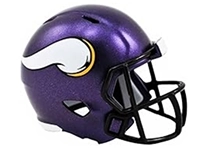
Football helmets for tackle play combine a hard outer shell, energy-managing interior padding, a face mask, and a chin strap. Adult, youth, and junior models may differ in shell sizing, fit range, weight, and available components, so choose equipment intended for the player's age group and level of play. Position-specific face masks can provide different sightlines or coverage, but the right option depends on league rules and personal fit. A helmet is not interchangeable with a soft padded cap or scrum cap used in some other sports. For flag football, headgear needs can differ from tackle football; check the competition's requirements before buying. On Ubuy, shoppers can discover international football helmets and related headgear, then compare product descriptions, included components, and manufacturer guidance before choosing.
- Tackle helmets use shells, liners, face masks, and chin straps
- Youth and adult models have different sizing needs
- Confirm the intended sport and competition rules
Fit, Sizing, and Wearer Comfort
A correctly fitted helmet should sit level, feel secure, and remain stable during movement without creating painful pressure points. Measure the head according to the manufacturer's instructions, then use that brand's sizing chart; measurements and fit systems can vary between models. Check that the shell does not rock excessively, the forehead coverage is appropriate, and the chin strap fastens as designed. Interior pads may be removable or adjustable, while some designs use air, foam, or other fit systems to help achieve a snug feel. Never choose a larger helmet simply to allow room for growth, and do not modify padding to force a fit. Because fit is personal, follow the product's fitting guidance and have an experienced coach or equipment professional check it when possible.
- Use the exact model's measurement chart
- Check stability, pressure, and chin-strap fit
- Avoid improvised padding or shell modifications
Shell, Padding, and Protection Features
Helmet construction affects fit, feel, ventilation, and maintenance. Outer shells are commonly made from molded plastics, while interior cushioning may use layered foam, flexible pads, air-based components, or combinations of materials. Features such as ventilation openings, liner shape, and padding layout differ by model and should be considered alongside comfort and the manufacturer's intended use. A face mask attaches to the shell using compatible hardware, and its shape influences visibility and facial coverage. No design or material can eliminate the risk of injury, so a helmet should not be treated as a substitute for safe technique, coaching, or medical advice. Compare the model's current product documentation and applicable safety information rather than relying on appearance or broad performance claims. Ubuy provides a place to explore international product listings and compare these specifications.
- Compare shell and liner construction
- Review current model documentation
- Treat protection claims with care
Face Masks, Chin Straps, and Compatibility
Face masks, chin straps, clips, screws, and replacement padding are important parts of a helmet setup, but components are not universally interchangeable. Confirm the helmet model and shell size before ordering accessories, and check manufacturer compatibility details for the mask style and attachment hardware. Face masks may be categorized by bar configuration or position, with options that balance visibility and coverage; league rules can restrict permitted designs. Chin straps also come in different shapes and attachment arrangements, so confirm that the selected version fits the helmet's anchor points. Inspect fasteners and accessories for wear, damage, or missing pieces, and replace them according to the maker's instructions. When shopping on Ubuy, compare what is included in each listing and verify the exact model match before adding replacement parts to your equipment kit.
- Match accessories to the exact helmet model
- Check face-mask rules for the competition
- Verify included hardware and attachment points
Care, Inspection, and Replacement
Routine care helps keep football headgear ready for use. Follow the manufacturer's cleaning instructions, use only recommended products, and allow the helmet and removable components to dry as directed. Avoid unapproved solvents, excessive heat, and repairs that alter the shell or liner. Before play, inspect the shell for cracks, dents, or other visible damage; check the face mask, fasteners, chin strap, and padding for looseness or deterioration. After a significant impact or suspected damage, remove the helmet from use and follow the manufacturer's evaluation and replacement guidance rather than relying on a visual check alone. Keep the model and purchase details available when seeking product support. Riddell, Schutt, Xenith, and VICIS are recognized names in football equipment; compare specific models and their care instructions rather than assuming all products share the same features.
- Clean and dry according to maker instructions
- Inspect shell, padding, straps, and hardware
- Follow guidance after an impact or damage
Select the Right football helmets headgear
Start with the player's age group, level of play, and the requirements of the team or competition. Narrow choices to helmets designed for that use, then compare available sizes, weight, fit system, ventilation, face-mask options, and the cost and compatibility of replacement components. Confirm that the product is supplied with the parts you need, since masks, chin straps, or accessories may be sold separately. Review the manufacturer's current safety information, fitting instructions, care guidance, and any relevant league requirements before purchase. If trying a helmet in person, check fit with the intended padding and chin strap; if ordering online, use the precise model chart and confirm return conditions directly with the seller. Ubuy can help shoppers discover international options in one category; careful specification checks support a more informed choice.
- Match the helmet to player and competition needs
- Compare fit, components, and ongoing care
- Verify sizing and product details before purchase