Horse Fly and Mosquito Control Products
Flies, mosquitoes, gnats, and other biting insects can bother horses during turnout, grooming, and stable routines. Horse care fly mosquito control includes topical sprays and roll-ons, fly masks, protective sheets, leg coverings, traps, and products for managing insects around barns. Each option serves a different purpose: repellents are applied to the horse as directed, while wearable barriers help shield areas such as the face, ears, body, or legs. Stable and pasture controls target insects in the surrounding environment rather than on the animal. When browsing Ubuy, shoppers can discover international products across these approaches and compare intended uses, formats, and care instructions. Start by identifying where and when insects are most troublesome, then consider the horse's sensitivity, turnout conditions, and the level of coverage needed.
- Topical repellents and wearable barriers
- Options for horses and stable areas
- Choose protection for the setting
Horse Fly Sprays, Repellents, and Formulas
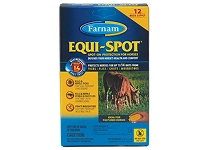
Horse insect repellents come in ready-to-use sprays, concentrates, wipes, roll-ons, and gels. Sprays can cover larger areas efficiently, while wipes or roll-ons may offer more control around sensitive or hard-to-reach spots. Formulas vary in active ingredients, intended duration, scent, and whether they are designed for the coat, face, or specific conditions such as riding or turnout. Read the product label carefully to confirm target insects, application directions, frequency, and any restrictions; products intended for premises are not automatically suitable for direct use on a horse. Some shoppers compare familiar equine-care names such as Farnam and Absorbine, but product suitability depends on the individual formula rather than the brand alone. Check ingredient information and follow directions, especially when introducing a new product or caring for a horse with sensitive skin.
- Sprays, wipes, gels, and roll-ons
- Compare active ingredients and directions
- Check where each formula may be used
Fly Masks, Sheets, and Wearable Barriers
Wearable insect barriers provide physical coverage and can be useful during turnout or periods when a horse is exposed to persistent insects. Fly masks may cover the eyes and face, with some designs including ears or a nose extension. Fly sheets range from lightweight mesh coverings to styles with belly protection, neck coverage, or attached hoods. Leg guards address exposure around the lower limbs, while fit and fastening details help determine comfort and stability during movement. Look for breathable mesh, smooth seams, secure closures, and a shape that allows clear vision and natural movement. Materials should suit the season and the horse's routine; a heavier or more extensive design may not be appropriate for every setting. Brands such as Shires and Cashel offer examples of equestrian barrier products, but always check sizing and care guidance before choosing.
- Masks, sheets, and leg coverings
- Assess fit, mesh, and closures
- Match coverage to turnout routines
Stable and Pasture Insect Management
Reducing insects around the horse can complement personal repellents and protective gear. Stable-focused options include fly traps, sticky ribbons, baited traps, and other products designed for particular indoor or outdoor settings. Placement matters: follow label directions, keep traps away from horses and feed, and consider airflow, doors, manure storage, and areas where insects gather. Good routine management may include removing manure regularly, keeping water containers clean, and addressing damp organic material that can attract pests. For larger spaces, compare the product's intended coverage and operating requirements rather than assuming one device suits every barn or pasture. Read safety instructions before using any premise treatment, especially around animals, people, feed, and water. Combining appropriate environmental measures with horse-specific protection can help create a more considered insect-control routine throughout changing seasons.
- Traps for suitable stable settings
- Review placement and safety directions
- Pair products with routine upkeep
Application, Fit, and Care Considerations
A product works best when it suits the horse and is used as directed. Before applying a topical formula, check the label for application areas, repeat-use guidance, precautions, and whether it should be tested on a small area first. Avoid contact with eyes, nostrils, and other areas excluded by the instructions. For masks and sheets, measure the horse and compare sizing charts; check that straps sit securely without rubbing or restricting movement. Inspect gear regularly for wear, loose fasteners, or damaged mesh, and clean it according to the care label so it remains in usable condition. Store sprays and treatments as directed and keep containers secured. Ubuy offers a way to explore international horse-care products and compare formats and product details, helping shoppers consider how each option fits their established grooming and stable routine.
- Follow labels and precaution details
- Measure and inspect wearable gear
- Clean and store products as directed
Select the Right horse care fly mosquito control
Choose horse care fly mosquito control by weighing insect pressure, the horse's routine, and the areas that need protection. For a horse spending time outdoors, compare fly masks or sheets with topical repellents; for stable settings, review traps and environmental products intended for that space. Consider ease of application, coverage, material, fit, active ingredients, and maintenance requirements. If a horse has a history of skin sensitivity or reacts to a product, seek suitable professional guidance and follow the product label before trying alternatives. Check whether accessories such as replacement straps, masks with ear coverage, or compatible leg guards address a practical need rather than adding unnecessary equipment. Ubuy can help shoppers discover international options and assess product descriptions side by side. A thoughtful choice combines suitable products with consistent inspection and routine care.
- Match protection to exposure and routine
- Compare fit, ingredients, and upkeep
- Choose practical coverage for your horse